Wednesday, December 22, 2010

Lower Sugar, Lower Blood Pressure

Sounds pretty simple, right? Except in a society overwhelmed by processed foods loaded with added sugar, keeping your sugar (or blood pressure) in check can be a major challenge.

But let's leave the topic of limiting sugar consumption from all sources for another day, and instead focus on sugar from a single source: sugar-sweetened beverages. According to a study published in the June 2010 issue of Circulation (a journal of the American Heart Association), a reduction in sugar-sweetened beverage consumption of one serving per day reduced systolic blood pressure in adults by 1.8 mg Hg and diastolic blood pressure by 1.1 mg Hg over 18 months. (If your blood pressure is 120-75, for example, your systolic blood pressure is 120 and your diastolic blood pressure is 75.) Diet beverage consumption and caffeine intake did not appear to be associated with blood pressure.

Remember, even a small reduction, particularly if all you have to do is drink less sugar-sweetened beverages, can make a big difference. In fact, it might save your life. Your doctor can tell you more - much more - about the considerable dangers of sugar and high blood pressure.

How Nutrition Can Help Eczema

There are three main objectives in the treatment of eczema: reducing inflammation, relieving itching of the skin, and moisturizing dry patches. As most alternative health practitioners know, certain dietary practices and various supplements can help to accomplish these objectives in many cases of eczema that seem to be resistant to standard medical treatment. The most evidence-based lifestyle, dietary and supplementation strategies shown to improve cases of eczema are as follows:

Dietary and Lifestyle Considerations: Avoid any known dietary or environmental irritants or allergens. Reduce the build-up of the polyunsaturated fat arachidonic acid within skin cells, as it is the direct building block of inflammatory prostaglandin hormones. To accomplish this, reduce the intake of the following foods: high-fat meat and dairy products; corn oil, sunflower seed oil, safflower seed oil, and mixed vegetable oils; alcohol, hydrogenated fats (e.g., margarine, commercial peanut butter, shortenings).

Replace the above foods with the following: chicken, turkey, fish, Cornish hen, 1 percent milk or yogurt, low-fat cheese (3 percent or less milk fat), olive oil, canola oil, or peanut oil (for salad dressings, to sauté vegetables or stir fry only).

Important Supplements: Omega-3 fats provide the building block for the production of prostaglandin hormones that reduce the inflammatory activity of skin cells. They also reduce the build-up of arachidonic acid in skin cells by blocking the enzyme that converts linoleic acid and gamma-linolenic acid to arachidonic acid. Examples of omega-3 fats of importance to skin health include EPA (eicosapentaenoic acid) and ALA (alpha-linolenic acid). EPA is found in fish and fish oils, and ALA is found primarily in flaxseed oil. Clinical trials have shown that omega-3 fats can be effective in the treatment of eczema.

Gamma-linolenic acid (GLA) has also been shown to help in cases of eczema. Studies reveal that many patients with eczema lack the enzyme to convert linoleic acid to gamma-linolenic acid. As gamma-linolenic acid is the building block of an important anti-inflammatory prostaglandin hormone, supplementation with an oil that is high in gamma-linolenic acid, such as borage, black currant or evening primrose oil, has been shown to favorably affect cases of eczema.

A number of B vitamins (especially B6 and niacin) are necessary co-factors to speed up the enzymes that produce anti-inflammatory prostaglandins in the skin. Vitamin C, vitamin E, selenium and zinc are also required to support various enzymes within skin cells that promote the formation of prostaglandins, which reduce skin inflammatory conditions, including eczema. I recommend a high-potency multivitamin/mineral supplement that contains a B-50 complex along with boosted levels of antioxidants.

In many cases, once specific allergies have been ruled out, the medical profession is at a loss to provide eczema sufferers with any meaningful treatment options. For this subgroup of patients, specific dietary and supplementation practices outlined in this article can provide significant improvement of their condition in many cases. Your doctor can tell you more about the connection between diet and skin health.

Pain: Putting the Fire Out

Back pain, neck pain, knee pain, foot pain - wherever the pain is, it's a pretty powerful motivator. In fact, depending on the severity of the pain, you may be willing to do just about anything to get rid of it. That's why so many people rush to the medicine cabinet and pop a few pills at the first sign of pain. Here's a much better idea: Ask your chiropractor about these simple exercises that can actually help reduce pain caused by common overuse conditions.

You wake up at night with numbness and tingling in your hands. Sleeping through the night is almost an impossible task. You may be suffering from carpal tunnel syndrome, a condition in which nerves from your neck traveling into your hand can become compressed in the wrist.

What you can do: Extend (straighten) your arm out in front of your body with your palm facing up. Straighten your fingers, keeping them close together. Bend your wrist backward and try to point your fingers toward the floor, and with the opposite hand press down on the palm side of your fingers to bend (extend) your wrist slightly further. Hold this stretch for 2 seconds, return the wrist to a straight position, and then repeat the entire movement for 10 repetitions

Do you feel clicking and popping in your knee? Perhaps walking up and down stairs has become a challenge and taking those after-dinner walks is more and more difficult. Knee pain can be a tricky condition because proper motion depends on the functioning of the hips and ankles.

What you can do: Stand on the edge of a step with the balls of your feet. Make sure you have something to hold on to for balance. Keep a slight bend in your knees and let your heels drift downward towards the floor, so your toes are higher than your heels. Sink the heels downward as far as you can and hold for 5 seconds. You can progress to one foot at a time for increased intensity. Return to the starting position and repeat 10 times.

If you experience sharp pain on the outside of your elbow when trying to twist open a jar or grasping something with your hand, it may be tendonitis of the forearm muscles. This injury became known as tennis elbow because players would get elbow pain after hitting repetitive backswings in tennis.

What you can do: Stand sideways against a wall. Bend your arm 90 degrees at the elbow with the thumb facing up. Place a tennis ball between the top of the forearm and the wall, with the opposite hand press against the inside of your forearm, putting additional pressure into the ball. Move the forearm back and forth in a circular motion on the tennis ball, searching for tender spots. Spend between 30-60 seconds on each tender spot until the pain begins to fade; then search for other tender areas. Do this three to five times per day.

The most important point to remember is that no exercise should make your pain worse. Soreness and discomfort are acceptable and expected; however, increased pain and dysfunction is not. It takes time for an injury to properly heal. Talk to your doctor for more information about what you can do to keep pain away the natural way.

Tuesday, December 14, 2010

Meet Your Feet

Feet have been evolving for millions of years and are wonders of biomechanical engineering. Your feet support your weight, absorb shock when you jump, walk or run, act as a lever to propel your legs forward, and balance your body as it moves. Each individual foot is a complex machine made up of 26 bones and 33 joints linked by a series of muscles, ligaments and tendons. They are incredibly well suited for moving over the types of terrain humans encountered for 99.9% of their evolution.

The last couple hundred years the conditions feet face have changed the way we move in a tremendously unnatural way. Pavement and other hard surfaces combined with poor footwear designs now make the foot poorly suited for this new world. Modern athletic footwear is designed to cushion the foot and protect the sole from abrasions and wounds. It is NOT designed to optimize the foot's natural performance. These types of footwear which changed our natural stride have resulted in an astronomical increase in leg and lower back injuries.

Thursday, December 9, 2010

Shoulder injury rehabilitation exercises - the importance of a tailor-made rehabilitation program

Meet Jennifer, a 15 year-old state-level tennis player, who almost had to be forced by her coach to attend her initial physiotherapy consultation. She didn't see the need because her shoulder 'only hurt when she served'! When asked how it affected her serve, she said that she couldn't serve as hard, and that sometimes she just didn't practice at all when it hurt. This response immediately suggested to me that to gain Jennifer's compliance in any sort of rehabilitation program, education was going to be vital.
Assessment
The initial assessment was quite straightforward. Sharp pain had been present on serving for two months in the anterior superior region of her right shoulder, when she made contact with the ball. Overall, the pain had been progressively getting worse. Pain was reproduced at end of range flexion and on an impingement test (horizontal flexion, then internal rotation of her shoulder). Her humerus was sitting anteriorly and she also demonstrated slight capsular laxity anteriorly on her right shoulder with ligament testing and gently gliding the head of humerus forward in sitting. Internal rotation was decreased by approximately 45 degrees on her right compared to her left, suggesting significant posterior capsule and external rotator cuff tightness. Her scapular control was very poor through abduction, especially on sustaining the 'stop sign' position. In summary, we can conclude that the supraspinatus tendon was 'impinging' (pinching; getting inflamed) under the bony arch of the acromion process, a situation exacerbated during serving.
Ask the athlete
An important, but often-overlooked, aspect of assessing an athlete's injury, is asking the athlete whether or not any technical changes have been made/ are being made in their training. Often technical changes can result in injury because the patient cannot cope with the physical requirement of the technique. If no real changes are being made, then it may help to see if the patient can explain the aspects of their technique they are working on. This could clue you in to the type of injury and what you may need to work on. In this case, Jennifer had been working on the same thing for the last six months ­ trying to keep her elbow high as she reached the cocking position on her serve. In tennis or throwing, the shoulder should be abducted to approximately 90 degrees at the end of the cocking phase. Jennifer was letting it drop well below this. But no matter how much she was cued by her coach or how hard she tried, Jennifer couldn't do it, and no doubt the effectiveness of her serve was being affected because of this lack of control and strength.
Treatment
Our first treatment session consisted of trigger points to infraspinatus and teres minor. This allowed the humeral head to sit back in a better position and to improve her range of internal rotation. Kinesio-Taping the humeral head posteriorly then reinforced a better shoulder posture. This was obviously not going to remedy a chronic shoulder problem, but it served a very important purpose: it proved to Jennifer that we could significantly decrease her pain.
She could now roll her arm over in a service motion without pain ­ a feeling she had not had in a while! In addition, it began to teach her where the correct 'normal' position for her shoulder should be: much less rounded and closer to a 'neutral position' ­ the centre of rotation for her 'ball and socket' joint. Jennifer then realized how much better she could feel when serving on court. It also gave her confidence in me, which was vital if we were to have a good outcome.
The rest of the session consisted of further education ­ thoroughly explaining to Jennifer her injury and using some 'scare tactics'. For Jennifer, that meant giving her some examples of other tennis players who had had similar injuries as juniors but were not handled properly and had subsequently not had continued success in the sport. This definitely had an impact on the keen young tennis player. At following sessions, she presented to the clinic with her folder in which she kept her list of exercises and reassured me that she had been doing her exercises religiously. Compliance was no longer a problem.

What Ever Runner Should Know About Shoes:

Proper Shoe Fit:

Ø Know what type of shoe is best for your foot.

Ø Buy shoes from a specialty store or a knowledgeable Internet retailer to ensure proper shoe type and fit. Running magazines frequently list specialty stores by state, so runners can find a local source.

Ø Buy shoes that are appropriate for your foot type and training intensity, not for cosmetics, celebrity endorsement, or cost.

Ø Always get fitted for running shoes in the evening. Feet are larger at the end of the day. There should be a half an inch between the longest toe and the end of the toe box.

Ø Wear running socks when trying on shoes to ensure a proper fit.

Ø If you wear orthotics inserts, bring them along and try them in the new shoes before buying.

Ø Take a test run in the shoes at the store before purchasing to confirm comfort and fit.

Ø If the shoes don’t feel good in the store, don’t buy them. Running shoes so not need to be “broken in” to be comfortable.

Running Shoe Care:

Ø Wear running shoes only for running. Wearing running shoes for walking or playing other sports can break down the motion control and cushioning of your shoes.

Ø Don’t kick off your shoes without untying them. This will destroy the heel counter.

Ø Avoid running in wet shoes. A wet midsole has 40% - 50% less shock absorbing capability.

Ø Don’t wash running shoes in the clothes washer. This will deform their shape.

Ø Exposure to excessive heat will degrade the components of the shoe. Let them air dry naturally after exposure to water.

Running Shoe Replacement:

Ø Excessively worn running shoes may lead to injury. Researches note a significant correlation between infrequent change of running shoes and injuries.

Ø Replace shoes every 400 to 600 miles or every 6 months. Estimate your weekly mileage and mark your calendar as a reminder.

Ø Outsoles are made of durable compounds and are a poor indicator of the remaining shoe life. In most cases, the midsole will wear out long before the outsole, especially for heavy runners.

Ø Midsole materials last for approximately 400 – 600 miles or 6 to 12 months, depending on the mileage and intensity of training. Midsole wear can be subtle and manifest by excessive wrinkles and compression of the sock liner.

Ø Running shoes may lose between 30% and 50% of their shock absorption after about 250 miles of use. Even sitting on a shelf, their shock absorbing capabilities are significantly reduced after 1 to 2 years.

Ø Alternating between two pairs of running shoes will extend the life of the midsole longer than wearing each pair of shoes consecutively.

Save Your Soles

  • By Kristen Dold, Women's Health


Apart from the occasional pedi, women tend to use and abuse their feet—maybe because "foot care" has less-than-sexy (OK, geriatric) connotations. But hey, bunions and bone spurs happen... a lot. Research shows that most people have a foot injury of some sort by age 40, and women undergo the majority of common-problem foot surgeries. Sidestep heinous maladies by treating your feet right.

[How self-check during a DIY pedicure could help save your life]

Foot Foes

Genes play a leading role in female foot woes. So does anatomy: "In general, women have narrower heels and weaker joints than men do,"says Frank Valente, D.C., a chiropractor in Manhattan. "Plus, irregular menstrual cycles and lower-fat diets can decrease bone mass, putting women at increased risk for ankle sprains and dislocated foot bones." Also, wider hips mean that some women are predisposed to walking knock-kneed, which can throw off the body's alignment and stance, and potentially lead to foot injuries, says Eric Horton, M.D., an orthopedic surgeon in San Diego.

[Will you inherit your mom's body?]

High Times

Stilettos can make your feet hurt like hell for a reason. "One-inch heels can increase the pressure on your feet by about 22 percent," says orthopedic surgeon Steven Raikin, M.D., of the Rothman Institute in Philadelphia. "Two inches can add up to 57 percent, and three inches can add a whopping 76 percent." That pressure means toes are crammed into a tight area, and the long-term results can be very unsultry bunions or clawlike hammertoes. What's more, so much weight shifting onto the feet causes calf muscles to clench up and eventually tighten, making it hard to walk normally even on days you wear flats. Platform and wedge shoes are a bit kinder, but most still have an unnatural incline, says Catherine Cheung, D.P.M., a podiatrist in San Francisco.

Happy Feet

No, you don't have to pack your closet exclusively with Crocs. Just follow these tips:

1. Try not to stand or walk around in heels higher than two inches for more than four hours straight, says Horton. (If you do wear way-high heels on a big night out, ice your feet when you get home to curb any swelling or pain.)

[Learn how to ward off the nasty effects of a new epidemic called Sitting Disease]

2. Remember that feet can still grow and spread throughout adulthood (especially after pregnancy) and tend to be at their most swollen at the end of the day, so do your shoe shopping in the afternoon. Have your feet measured every year to make sure you're buying the right size.

3. For extra heel and arch cushioning, slip orthopedic inserts into your flats. Most won't fit into skimpy high heels, so use gel pads there instead. You can buy them at a drugstore for around $20, or spring for custom-made orthotics from a doc.

4. As your body's essential support system, your feet can take a lot of weight, but "every pound you gain means an extra three pounds of pressure in your ankle region," says Raikin. Yet another reason to always maintain a healthy weight.

5. To keep your feet limber, do stretches such as writing the alphabet with pointed toes; to massage your arches, roll your feet over a tennis ball for a few minutes a day; and to stretch your ankle and calf, extend your knee, place a towel around the ball of your foot, and pull toes toward you.

Provided by Women's Health

Wednesday, December 8, 2010

Reduce Your Stress Burden

Pay attention when people talk about sudden onset of bizarre and unusual ailments. When you hear people say things like, "I did not eat anything different yesterday and today my guts are going crazy" or "This is the type of situation I can usually handle, but for some reason I am not processing it well this time," your ears should perk up.

The answer can be found in a little word with big implications: stress. Our bodies endure stress, which can be simply defined as anything that causes a reaction. There are three main areas in which we experience stress: physical, emotional and chemical. Stress involving any of these areas can affect us profoundly. Here are some of the common signs of stress, along with ways to reduce your stress burden. Talk to your doctor for more information.

Stress Signals

Unusual fatigue: Stress weighs on you physically, emotionally and mentally. It wears you down and drains you. Can't get out of bed in the morning? Stress may be what's keeping you there.

Sleeplessness: You may feel like sleeping for a day or two, but stress tends to keep you up at night, pondering how to pay that bill, meet that work deadline or heal that broken friendship.

Impulsivity: If you find your eating habits changing suddenly, you may be turning to comfort foods to deal with stress. The same is true with impulse buying, particularly when it involves items you don't really need.

Anger/impatience: Stress can make you short-tempered and easily roused to anger, even if your demeanor is normally calm, quiet and reserved.

Lack of concentration/forgetfulness: Stress usually occupies our mental time, so much so that we can have trouble remembering things or make more mistakes. Never forget your keys in the morning? When you're stressed, you just might.

Physical ailments: Back pain, neck pain and pain in general that doesn't have a clear cause (e.g., an injury) is often related to stress. The same is true for colds and flu; stress can lower your immune system, increasing your risk of developing illness.

Ways to Reduce Stress

Work it off: No, we don't mean spending another five hours a day at the very location that may be a major source of stress; we do mean finding the time to exercise. Whether it's an a quick trip to the gym, a peaceful run or a brisk walk with family or friends, exercise puts the focus somewhere else for a while. Biochemically, exercise has a big anti-stress benefit: It helps reduces levels of the stress hormone (cortisol) and increases your "feel-good" hormones, endorphins.

Get away from it: This can be challenging, especially if your stress has reached near-obsession levels, but doing what you can to distract yourself can go a long way toward reducing stress. Schedule a vacation, visit old friends, take a long walk; whatever it takes to remove yourself from your stress environment.

Smile about it: It's much harder for stress to exist in a fun, laughter-filled environment, so put yourself in a position to smile when you're under stress. Watch your favorite sit-com, get tickets to a comedy show, organize a fun night out with the family or friends. After all, laughter truly is the best natural medicine.

Talk about it: When you're stressed, your mind can be a continual stream of negative, overwhelming, stressed-out thoughts. Don't keep it all to yourself; talk to your significant other, closest friend or even a trusted co-worker about what's bothering you. Sometimes the best way to reduce your stress is to vent about it and get a neutral perspective, rather than staying in a bottled-up, stressed-out state.

Cold and Flu Defense

If you're looking to gear up for the cold and flu season without subjecting yourself or your family to the potential dangers of the flu vaccine, take heart: There are natural ways to boost your immune system and reduce your risk of getting sick. Here are a few to discuss with your doctor.

Vitamin C: A study of 715 people showed that flu symptoms were decreased by 85 percent when people took 6 grams of vitamin C as a one-time loading dose, then continuing with 1 gram three times a day, compared with people taking only the 3 grams daily. The message here is to take a lot of vitamin C the first day you feel symptoms or the first day people around you are getting sick, and then take 3 grams daily after that. Keep in mind that vitamin C can loosen stools, so be careful if you are predisposed to this.

Vitamin D: Vitamin D has exploded in research and popularity the past few years. Most of us are familiar with its bone-building properties, however new research suggests it improves the immune system as well. Have your doctor test your vitamin D levels before supplementing. Research suggests 2,000 IU daily is safe for most adults and children. Higher doses are safe and effective, but must be monitored by your doctor.

Elderberry: Elderberry (Sambucus) was researched in a group of 60 people and found to alleviate symptoms four days earlier compared with controls. Elderberry helps boosts the immune system and is great-tasting for kids. Start taking as soon as symptoms manifest.

Gingseng: Panax quinquefolium (ginseng) was studied in a large group of 323 patients as a preventive natural medicine. The group that took panax experienced 30 percent less colds compared with the placebo group (people who didn't take ginseng), and average number of sick days were 11 compared with 16 in the non-treatment group.

Oscillococcinum: Last, but not least, the well-known oscillococcinum is a homeopathic flu treatment that is created new every year. Tough to pronounce, but effective; a Cochrane review of all oscillococcinum studies showed that it reduces the length of illness compared with placebo.

Talk to your doctor for more information about these and other natural ways to boost your immune system and ward off colds and the flu.

Wednesday, November 24, 2010

Keep Your Children Safe From Concussions

Children reap a variety of benefits from athletics. Organized

sports in particular help foster a sense of teamwork, pride in accomplishment, individual drive and commitment, and of course, a background in physical fitness that is likely to stay with them their entire lives.

There's also a risk of injury, of course, and the latest news isn't encouraging. According to a study in the September 2010 issue of Pediatrics, which analyzed data from emergency-room departments nationwide, approximately half of the nearly 500,000 ER visits for concussions (from 2001-2005) involving children and adolescents 8-19 years of age were sports related. Football and ice hockey topped the team sports most likely to lead to concussion, while bicycling and playground activities accounted for the most non-team concussion injuries. Even more disturbing, an estimated 40 percent of concussions were suffered by younger children - ages 8 to 13.

Be familiar with the warning signs that indicate your child may have suffered a concussion, and talk to your doctor about steps you can take to reduce your child's injury risk.

Thursday, November 18, 2010

Don't Underestimate the Value of Calcium

Most peri- and postmenopausal women do not get enough vitamin D or calcium in their diets to promote healthy bones. Calcium also has beneficial effects on several nonskeletal disorders, primarily hypertension, colorectal cancer, obesity, and nephrolithiasis.

The North American Menopause Society recently reviewed the role of calcium in peri- and postmenopausal women. The optimal calcium intake for most postmenopausal women is 1,200 mg/day. Vitamin D intake of 30 ng/mL or more is required to achieve the nutritional benefits of calcium. The society emphasizes that "average calcium consumption is far below the amount recommended for optimal bone health, and many U.S. healthcare providers do not recommend calcium supplements." They add that, based on the available evidence, there is strong support for the importance of ensuring adequate calcium intake in all women, particularly those who are peri- or postmenopausal.

Please consult with your chiropractor regarding any vitamin supplements you are taking. They can help you achieve the best possible nutritional results for good bone health.
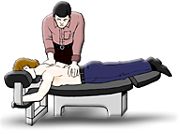
Chiropractic Superior to Exercise for Chronic Low-Back Pain

Flexion distraction is a commonly used form of chiropractic care. In a recent study, 235 patients received chiropractic care or participated in an exercise program, and were followed for one year via mailed questionnaires to assess levels of pain and dysfunction.

Subjects had a decrease in pain and disability after intervention, regardless of which group they were in.However, one year later, subjects who received chiropractic care had significantly lower pain scores than subjects who followed the exercise program.

Children’s Cough: How Effective are Medications?

Upper respiratory infectious are the most common condition in the world and for decades over the counter (OTC) medications have been produced and sold for the relief of the associated symptoms.  Because these medications are OTC the FDA has not exercised strict control although in 2007 the FDA did recommend that they not be used for children under six.  When we look at the evidence a consistent message emerges relative to the effectiveness of OTC medications for adult and children’s coughs.  That message is that they are not effective and could potentially cause harm.  There are, however, other more natural approaches that appear to be somewhat effective in relieving the associated symptoms of upper respiratory infections.

Wednesday, November 17, 2010

Natural Motion in an Unnatural Situation


In a recent ESPN survey reported on barefootrunner.com, more than 1 in 3 Americans said that they'd be willing to try running barefoot. This attitude is part of growing awareness that shoes simply aren't making our feet healthier, or our performance better. And a more recent study finds that many running shoes cause more joint strain than high heels. But let's face, we all need to wear shoes, at least sometimes!

ALINE is the only insole product that places the foot into a barefoot-like position inside of shoes. There is growing evidence that going barefoot is beneficial for long term foot health and correct biomechanics. Humans evolved to run and walk on natural surfaces for millions of years. In just the past few hundred years, though, we have been forced to walk on hard floors, concrete and asphalt…not to mention wedging our feet into ski boots, cycle shoes, and workboots. We pound for miles in running shoes. We wear rigid cleats for soccer and football. We wear hard shoes with spikes to hit a golf ball further. We strap on power-levers (also known as “skis”) and put our feet in plastic shells for winter fun. All of these are foot destroyers…if the foot is left to fend for its self under these stresses.

Proper foot function is critical to sports (and life) performance. If your foot cannot move as it evolved to move, you can’t perform up to your potential. The foot is your foundation, your connection to the ground. For years, the answer for foot performance was to cushion it with foam, effectively placing your foundation on a pillow. The other approach was to wear footwear too small and crush or tape the foot to stop excess motion. This mentality treats the foot like a mechanical device that can be locked down to stop motion. This crushing of the foot also locks the foot muscles and lower leg function, often causing pain and long term injuries. When immobilized by shoes or tape, the foot can’t adjust, balance, and align your body for maximum power transfer to the legs.

Luckily there is now a perfect middle ground between going barefoot and wearing unhealthy, performance-robbing, footwear: ALINE’s patented BFAST technology. ALINE’s BFAST design places the foot into a barefoot position inside your shoes; ALINEs raise the heel slightly to shift weight to your forefoot, as if you aren't wearing flat shoes. And, through its patented suspension zones, ALINE allows key bones in the foot to move properly…as they do when you walk barefoot. In other words, ALINE’s BFAST technology creates a natural interface within your footwear… regardless of sport or activity. This "Barefoot in Shoes™" position puts the foot in control of the footwear and the body. ALINEs enable the foot’s arches to naturally reshape, allowing the foot, ankle and knee to align themselves. A properly aligned foot and leg reduces injuries and improves your performance. That's why you owe it to yourself to find out what ALINE can do for you!

Thursday, November 11, 2010

Too Little Sleeping = Too Much Snacking

Here's an important reason to get the kids off to bed: Too little sleep can lead to a bad habit: overeating. According to a recent study published in the American Journal of Clinical Nutrition, reduced sleep time (less than six hours compared with more than eight) is associated with an increase in energy consumption - often in the form of snacks - without any increase in energy expenditure.

In other words, if kids sleep less, they tend to eat more, but don't expend energy during the extra time they're awake.

So, what could they possibly be doing that doesn't burn any energy? Perhaps they're studying for next week's exam or writing that long-overdue birthday card to grandma. But probably not. In fact, the chances are good that they're playing on the computer, watching television, texting their friends or pursuing some other sedentary activity, which is never a good thing, particularly when combined with additional caloric intake. That's a bad combination that could lead to chronic overeating and weight gain, not to mention fatigue, irritability, and reduced performance attributable to lack of sleep.

Talk to your doctor about the importance of adequate sleep and what you can do to ensure you and your family get the sleep they deserve every night.

Understand Your Fiber Facts

Dietary fiber, often referred to as "roughage," is the edible portion of

plant cell walls that is resistant to digestion, but is an extremely beneficial component of our diets. Fibers such as vegetables, fruits, nuts, and whole grains also have high amounts of vitamins and minerals necessary for healthy body function. And of course, a huge side benefit of eating foods rich in fiber is that they taste good!

Not only does fiber help ward off many diseases, but it's also been shown to aid in weight loss by reducing food intake at meals. This is because fiber-rich foods take longer to digest and thus result in an increased feeling of fullness and satiety. In addition, the more gradual absorption slows the entrance of sugar into the bloodstream, thereby preventing large blood glucose and insulin spikes that can lead to binge eating.

Plant foods contain both types of fiber in varying degrees, according to the plant's characteristics. Examples of foods rich in soluble fiber are fruits, vegetables, brown rice, barley, and nuts. Most of insoluble fibers come from the bran layers of cereal grains. Examples of foods rich in insoluble fiber are wheat bran and whole-grain breads and cereals. Remember, both are important for good health, so your diet should include a balance of foods rich in both types.

There is no recommended daily allowance (RDA) for fiber, but the American Dietetic Association recommends eating 20-35 grams of dietary fiber per day or 10-13 grams for every 1,000 calories in the diet. The average American significantly falls short of the recommended amount of fiber, consuming on average only 5-10 grams per day. Here are some easy ways to increase fiber intake:

Choose whole fruits and vegetables (with peels when possible) instead of juices.

Replace white flour with whole-wheat flour in all baked goods.

Select whole-grain bread, pasta and cereals in place of similar processed versions.

Choose brown rice over white rice.

Replace meat with alternate protein sources such as beans, lentils or other legumes.

Thursday, October 28, 2010

An Education in Exercise

Whether you're in good health, rehabbing a recent injury or have arthritis, osteoporosis or other chronic condition, the following key points should be followed to ensure you get the most out of your workout. Remember to talk to your doctor first so the two of you can work together to design an exercise program that's right for you.

LESSON 1: Before starting an exercise program, you and your health professional need to understand what your immediate goals are. Are you trying to lose weight? Increase strength? Train for a particular sport? Do you have any swelling? Pain? Weakness? Are your joints stiff? Once you know what you want to accomplish, it's a lot easier to figure out where to start.

LESSON 2: Exercise should consist of three clear phases. Begins with five to 10 minutes of warm-ups.Keep in mind that a "warm-up" is not the same as stretching.

LESSON 3: Type of exercise is just as important as the three phases. Try to incorporate different types of programs, such as stretching, strength training, balance training, and aerobic conditioning. Each of these affects the joints and body in different ways. By using all of them, you'll be able to make better gains in your health.

LESSON 4: There can be some discomfort with exercise at first. Therefore, precaution should be taken to ensure you don't injure yourself. Remember that your body's response to exercise can change day by day. You shouldn't feel pain, particularly sudden/sharp pain, when you are exercising.

LESSON 5: Rest time is crucial for strength training. In the past, people tended to weight train every day. Research is showing that if a body doesn't get enough rest, it will break down instead of building up. Therefore, never strength train the same body part two days in a row. Always allow at least two days in between, if not longer.

LESSON 6: Lifestyle activities are also effective forms of exercise. For example, gardening, going for hikes, taking the stairs at work, or playing catch with your kids or grandkids is just as effective in producing positive effects as a more traditional "gym" program.

LESSON 7: Most guidelines recommend 20 to 30 minutes of moderate-intensity activity per day. However, if you are not able to do this, then break it up into five-minute bouts several times a day. Research shows that doing smaller bouts of exercise through the day is just as beneficial as one continuous session.

Top Whole Foods for Health

Nutritionally, there is no perfect food, although a few come pretty close. And even if there were, who'd want to eat the same thing every meal, every day? Fortunately, variety and healthy eating can go hand in hand, particularly if you know where to look. Take a look at these foods that pack a nutritional punch and can be incorporated into a wide variety of meal plans.

Beets: Beets were one of the most successful crops in the Biosphere project.Basically, it simulated living on the moon. And if you had to pick one vegetable to take with you to the moon, you'd do well to pick beets. The roots and leaves are packed with antioxidant phytochemicals, provide much-needed minerals and vitamins, and are a good source of fiber.

Rye: Obesity statistics suggest a good portion of us could use some help battling the scale, and rye is on your side. Rye has an excellent reputation for helping us feel full, produces a low insulin response, and is typically a good source of fiber. It is a rich source of minerals, too.

Organic Berries: This isn't a hard sell, right? Juicy, bright, and tasty, berries add fiber, vitamins and antioxidants to your diet. These little gems appear to support healthy arteries, cognition, inflammation and eyesight. Many studies have found a benefit in drinking cranberry or blueberry juice for prevention of urinary tract infections.

Fermented foods: Face it Mr. Clean, the human body needs bacteria, and fermented foods provide"good" bacteria (probiotics) to give our native colonies a helping hand. Clinical trials continue to examine the benefits of probiotics on gastrointestinal complaints like diarrhea and irritable bowel syndrome, as well as for conditions such as colic and eczema in infants.

Legumes: This low-fat, no-cholesterol source of protein, fiber, vitamins, minerals, and phytochemicals is among the best foods we can eat. As a substitute for meat-based protein, beans can help support our drive for heart health. And the fiber and protein in legumes are excellent tools in our weight-management toolbox.

Understanding Wellness

The term "improved function" has been used by chiropractors for years to help patients understand the benefits of chiropractic care and the role it plays in true wellness. The body is made up of muscles, organs and glands that are controlled by the nervous system, and the nervous system consists of the brain, spinal cord and nerves.

The brain sends signals down the spine and to the nerves, which tell the heart to beat, the lungs to breathe, the stomach to digest, the glands to produce necessary hormones, and so on. It's when the signals don't get from the spinal cord to the nerves and then from the nerves to the muscles, organs and glands that the body begins to lose proper function and symptoms begin to occur.

Mainstream medicine doesn't recognize these symptoms as simple alerts from the body that there's something amiss, but instead as something that must be eliminated through chemicals or pharmaceuticals. They don't seek wellness, but rather a lack of symptoms.

The biggest difference between mainstream medicine and wellness care is just that: medicine. Today's medical professionals are still treating symptoms instead of the cause of the problem. The bigger problem lies with the fact that the medicines usually begin to create their own list of symptoms that must be treated with more medicines. It's a domino effect leading not to health and wellness, but to illness and dependence.

These days, the term wellness is being overused and abused by a society that recognizes its importance but doesn't understand its application. Marketing departments around the globe are throwing the word around because it's popular, but often it's simply being used as a gimmick to improve sales of products that have nothing to do with improved health and function.

We live in a society that's been conditioned to believe there's a medication or a surgical procedure to fix every problem. Is that really the way you want to live your life? Now that you understand wellness, start doing something to ensure you can enjoy it. Talk to your chiropractor to learn more.

Wednesday, October 27, 2010

Effect of Ankle Taping on Knee and Ankle Joint Biomechanics in Sporting Tasks

By limiting motion at the ankle, taping increased mechanical stability at this joint. Ankle taping also provided protective benefits to the knee via reduced internal rotation moments and varus impulses during both planned and unplanned maneuvers. Medial collateral and anterior cruciate ligament injuries may occur through increased valgus impulse during sidestepping undertaken with ankle tape.


Medicine and Science in Sports and Exercise, 10/20/2010

Tuesday, October 26, 2010

UNDERSTANDING STRESS


What is stress, and what can cause it?
Life without stimulus would be incredibly dull and boring. Life with too much stimulus becomes unpleasant and tiring, and may ultimately damage your health or well-being. Too much stress can seriously interfere with your ability to perform effectively.

The art of stress management is to keep yourself at a level of stimulation that is healthy and enjoyable. This series of articles will help you to monitor and control stress so that you can find and operate at a level that is most comfortable for you. It will discuss strategies to reduce or eliminate sources of unpleasant stress.

It will also explain what can happen when you do not control stress properly. Most people realize that aspects of their work and lifestyle can cause stress. While this is true, it is also important to note that it can be caused by your environment and by the food and drink you consume. There are several major sources of stress:

Survival Stress: this may occur in cases where your survival or health is threatened, where you are put under pressure, or where you experience some unpleasant or challenging event. Here adrenaline is released in your body and you experience all the symptoms of your body preparing for 'fight or flight'.


Internally Generated Stress: this can come from anxious worrying about events beyond your control, from a tense, hurried approach to life, or from relationship problems caused by your own behavior. It can also come from an 'addiction' to and enjoyment of stress

Environmental and Job Stress: here your living or working environment causes the stress. It may come from noise, crowding, pollution, untidiness, dirt or other distractions. Alternatively stress can come from events at work.

Fatigue and Overwork: here stress builds up over a long period. This can occur where you try to achieve too much in too little time, or where you are not using effective time management strategies.

Internally Generated Stress & Anxiety
Your personality can affect the way in which you experience stress. You may be familiar with the idea of 'type A' personalities who thrive on stress, and 'type B' personalities who are mellower and more relaxed in their approach.

Stress can cause the levels of a neurotransmitter called noradrenalin to rise. This can give a feeling of confidence and elation that type As like. They can therefore subconsciously defer work until the last minute to create a 'deadline high', or can create a stressful environment at work that feeds their enjoyment of a situation.
The downside of this is that they may leave jobs so late that they fail when an unexpected crisis occurs. This may also cause unnecessary stress for other colleagues who are already under a high level of stress.

Other aspects of personality can cause stress. Examples are:
Perfectionism, where the perfectionist's extremely or impossibly high
standards can cause stress excessive self-effacement, where constant attention to the needs of others can lead to dissatisfaction when no-one looks after your needs, and anxiety.

Anxiety
Anxiety occurs where you are concerned that circumstances are out of control. In some cases being anxious and worrying over a problem may generate a solution. Normally it will just result in negative thinking. Albert Ellis listed the five main unrealistic desires or beliefs that cause anxiety: The desire always to have the love and admiration of all people important to you. This is unrealistic because you have no control over other people's minds.
They can have bad days, see things in odd ways, make mistakes or can be plain disagreeable and awkward. The desire to be thoroughly competent at all times.

This is unrealistic because you only achieve competence at a new level by making mistakes. Everybody has bad days and makes mistakes. The belief that external factors cause all misfortune. Often negative events can be caused by your own negative attitudes. Similarly your own negative attitudes can cause you to view neutral events negatively. Someone else might find something positive in
something you view as a problem. The desire that events should always turn out the way that you want them to, and that people should always do what you want.


Other people have their own agendas and do what they want to do. The belief that past bad experience will inevitably control what will happen in the future. You can very often improve or change things if you try hard enough or look at things in a different way.

Tuesday, October 5, 2010

Don't Let Housework Be a Pain in Your Back

Don't let housework be a pain in your backA back injury is debilitating. Simple tasks such as tying your shoes or getting something out of the pantry can be very painful activities. Despite your pain, life must go on. You may be able to reduce your hours or activities at work to accommodate your injury. Regular household chores must be done however. Here are some tips to enable you to alleviate the pain associated with getting your household chores completed.
•    Instead of putting your laundry in a basket, use a laundry bad with straps on it. Carrying the load on your back like a backpack takes the strain of your lower back.
•    Keep your laundry basket and hampers on a table, or elevated off the floor. This will eliminate the need for you to bend down to pick it up.
•    Install supporting bars into your shower and tub to provide assistance when you get in and out of the bath. In addition, install a foot bar inside the shower so you don’t have to bend over to wash your feet and legs. Install supporting bars around the toilet as well to assist the strain on your back.
•    Purchase washer/dryer risers to get your washer and dryer elevated. Bending over and lifting wet laundry can cause a back injury to a very healthy person, let alone someone with an existing injury.
•    Instead of using sheets and blankets, use a duvet cover. It is easier throwing a blanket on a bed than it is to tuck in sheets and a blanket. Make the bed on your knees instead of standing and bending over.
•    Organize your cabinets and drawers so that the items you use more frequently are within easy reach. Always use a step stool to reach items on high shelves.
•    Finally, take frequent breaks to give your body a rest. Do a brief warm up prior to starting your chores.
If your injury is so severe that these suggestions are not enough to allow you to get your chores done, give a chiropractor a call. The minor adjustments, which have been recommended, should get you through a mild to medium back injury as you heal. If however, you are suffering in pain and not being treated by a medical professional, call a chiropractor. Chiropractors are instrumental in restoring backs back to health so you can get back to living your life.

Thursday, September 30, 2010

Sit Less, Live Longer

You may find the following information so profound that you feel inclined to sit down for a minute, but that's actually the opposite of what you should do. A study published in the American Journal of Epidemiology suggests people who spend more time sitting (specifically, more than six hours a day) during leisure time have an increased risk of premature death compared to those who sit for three hours or less, and the results are independent of exercise

When you sit for prolonged periods of time, usually with little or no movement, it negatively affects circulation, metabolism, resting blood pressure and cholesterol, among other things. And more time sitting, especially in front of the TV, computer, etc., often contributes to excessive snacking -all too often the unhealthy variety - which can lead to obesity and weight-related disorders such as diabetes.

"Sit less, move more" is a great message to store in your memory bank and recall on a daily basis. Anytime you start to feel stuck to your chair, peel yourself away and add a little motion (and a few years) to your life. Talk to your doctor about the health dangers associated with prolonged sitting (especially its impact on the spine and posture) and how you can sit less and live longer.

Flu Prevention: Think Vitamin D

Every year the medical profession and government authorities

encourage citizens in many developed countries to get immunized against the current form of influenza virus. This year is no different, particularly with the "dreaded" swine flu still on everyone's minds. While the decision to get vaccinated is an individual one with both pros and cons, consider that a natural approach, namely supplementation with specific nutrients such as vitamin D, can boost immune function and may play an important role in the prevention of respiratory tract infections.

In recent years, studies have shown that vitamin D is an important modulator of immune function. Some authorities suggest it has the potential to reduce the risk of life-threatening influenzas based on the initial observation that influenza normally strikes in countries during the colder (winter) months, when vitamin D production in the skin declines. This happens because the most generally available source of vitamin D is sunlight. Reduction in skin production of vitamin D due to reduced or no exposure to daily sunlight is accompanied by a decline in blood levels of vitamin D.

Some vitamin D experts suggest adults should supplement with 2,000 IU vitamin D per day (especially during the winter) as a means to maintain more optimal vitamin D status in general, strengthen immune function and help reduce the risk of influenza and its invasion into the lung cavity.

Anyone who's suffered through the flu knows that it's not only potentially dangerous; it can be downright miserable. Ask your doctor to assess your current vitamin D status and discuss the value of vitamin D supplementation, particularly during the flu season. Whatever your strategy, it won't eliminate your risk altogether, but why not do everything you can do naturally to protect yourself and your loved ones?

Fill Up Your Energy Tank

Are there days when your "gas tank" is so low that you're sleepy by lunchtime and craving a power nap by mid-afternoon? Ever wonder what's making you so tired all the time? Most of the time, fatigue can be traced to one or more of your daily habits or routines. More than likely, you already know what's causing your fatigue; you're just not doing enough about it. Let's take a closer look at some of the most powerful changes you can make today to fight fatigue.

Find a Rest Stop: Try going to bed a little sooner than usual. Start slowly at first; if you usually don't crash until 11:00 at night, don't shift to a 9:00 bedtime starting tonight or you may end up wide awake at 4:00 tomorrow morning. Also avoid drinking caffeine late at night, since it is a stimulant and will prevent restful sleep. And avoid carbohydrates a few hours before bedtime, to prevent spikes in your insulin and cortisol levels. Finally, develop a relaxing routine that prepares you to fall asleep - and stay asleep.

Rev Your Engine: Exercise is a fantastic way to combat fatigue and increase energy while becoming healthy. They key is to not exercise so much that you end up sending your body into a state of overtraining and more fatigue. More is not better with exercise; better is better. It is recommended that you exercise 20-45 minutes three to four days per week. You must allow sufficient time for your body to recover from intensive workouts, so adequate rest is crucial if you want to achieve optimal results

Fuel Up: Eating frequently helps to maintain normal blood sugar levels, preventing energy crashes during the day. If you wait too long between feedings, your insulin levels spike, causing your body to go on a hormonal roller-coaster ride. You will feel surges of energy followed by sudden crashes with tiredness, fatigue and lethargy.

You also may want to review a few smaller lifestyle issues to see if they are contributing to your fatigue. For example, if you are taking medications, fatigue could be a side effect. If so, ask your doctor if there is an alternative medication (or better yet, a nutritional supplement, herb or even a lifestyle modification) that would be just as helpful. For example, many people take diabetes medication, but diet and exercise are powerful ways to keep diabetes under control - in most cases without requiring medication.

Also consider the amount of time you are taking for yourself each day. Do you have any "me" time at all? A life of serving and worrying about others without caring for your own needs is extremely draining. Constant stress can also wear you down. This is a common problem for anyone who feels overwhelmed caring for their family, work, friends, and handling all their other responsibilities.

Life today can feel overwhelming, so much so that you may see no end in sight. However, by implementing some simple techniques, you can gain control over your body and mind, and ultimately your fatigue. Talk to your doctor for more information.

Thursday, August 19, 2010

Cholesterol and Kids: Wait, Don't Medicate

High cholesterol is no laughing matter, whether you're an adult or a child, but cholesterol-lowering prescription medication doesn't need to be the stock solution, particularly when an abundance of research indicates that lifestyle modifications such as exercise and diet can make a significant dent in the problem. Add to that the results of a recent study that suggests children with even very high cholesterol levels may experience a drop over time - without drugs or other interventions.

The study, published in Pediatrics, found that some children with high cholesterol levels at baseline (and warranting drug intervention according to guidelines) had levels after four years that no longer would require intervention.

Some children (and adults) with a genetic predisposition to high cholesterol or who fail to improve after conservative interventions (diet, exercise) may need to take cholesterol-lowering medication, but it's important to understand that the majority develop high cholesterol as a consequence of poor diet or obesity, both of which can be modified.

Consider this recommendation from the American Academy of Pediatrics on how to manage children with cholesterol (courtesy of WebMD): "For kids who are overweight or obese and who have a high blood-fat level or low level of 'good' HDL cholesterol, weight management is the primary treatment. This means improved diet with nutritional counseling and increased physical exercise." Drug management should be considered only in children ages 8 or older who have extremely high cholesterol and a family history of early heart disease.

Your doctor can give you a comprehensive picture of cholesterol, assess your (and your children's) cholesterol status and risk factors, and suggest natural approaches to manage high levels if warranted.

Time-Saving Tips to Improve Health

We live in a busy world and for most of us, it's only getting busier. Before you drop to the ground in frustration, take these tips to heart and see how quickly your health and well-being improve:

1. DON'T WAIT FOR A RAINY DAY Procrastination does little good for your mind, body or soul, although at any given time, the procrastinator thinks they're doing themselves a service by putting something off until "later." The problem is that while you may not be doing it (yet), you're thinking about it and worrying about it not being done, or doing it halfway and the ending up with even more to do. The message is simple: Save time later by doing it now.

2. YOUR HOME IS YOUR GYM For many people, rushing to the gym at 5:00 in the morning or 9:00 at night doesn't work, especially in the long term. Add to that the daily rigors of work, family and everything else, and you can see why so many people quit working out after an encouraging start. The time-saving solution is to invest in a few simple pieces of equipment so when you don't have time to go to the gym, the gym can come to you!

3. A LITTLE ORGANIZATION... Lack of organization may be the most time-consuming scenario of all. Consider how much of your life is spent looking for things you put "away" without putting them in the right place. Taking the time to organize your life - from your bills to your garage to your kitchen cabinets to your daily agenda - will save you more time than you can imagine, and you'll feel great doing it.

4. COOK NOW, EAT LATER We live in a society that rewards poor preparation, particularly when it comes to food. If you're trying to avoid fast food, microwavable entrees and the like, you'll often end up scrambling to prepare meals after work or while trying to get the kids off to school. Save time (and sanity) by doing some of the prep work on the weekend: cook lean meat or fish, steam veggies, boil brown rice or whole-wheat pasta, and you'll have days worth of meals ready to go.

Healthy Back-to-School Lunches

The majority of entrees served on school campuses include pizza, Sloppy Joes, cheeseburgers, spaghetti, hot dogs and corn dogs. It's rare that you will see anything made with fish and chicken, unless it's fish sticks and chicken nuggets, which contain processed meat that is breaded and deep fried. It's time to accept the fact that raising healthier children means they won't be eating school lunches, but instead will need to be provided lunch from home. Here are some suggestions for how even the busiest parents can do it.

The Beverage: The American Academy of Pediatrics says that juice consumption is contributing to cavities and gastrointestinal issues for children, while milk has proven to be a common food allergen. Your best option is to encourage your child to drink water. This can be done by providing water for them in their lunch box using a stainless-steel thermos or by placing ice cubes in their thermos in the morning.

The Entree: Great sources of protein that can be put in a small lunch container are cubes of baked chicken, turkey or fish. This does not include processed meat that you buy at your grocery store, but should be prepared at home and cut into bite-size pieces. Remember that you can freeze these in small portions and use them randomly over the course of several weeks.

Commonly found in the packed lunch is a sandwich; the problem is that bad choices can be made here as well. White bread bought at the store contains bleached flour. And don't be fooled by the word "enriched," as adding back a portion of the vitamins removed during the bleaching process doesn't undo the damage.

Better sandwich choices include whole-wheat bread with a lot of grains, and almond butter instead of peanut butter. And be creative. Try to put vegetables into a sandwich as much as possible. If your children "don't like vegetables," stick with it. Sometimes it's just a phase, and the more exposure they get (and choices), the greater the chance they'll surprise you.

The Sides: Most children don't consider lunch complete unless there are chips and cookies. These must be avoided at all cost; chips and cookies are an occasional treat, not a lunch staple. The side dishes for your children should be tasty cut vegetables, keeping in mind that greener is better.

Fruit is also a great side dish, but while it is healthy, it is also a source of sugar and not as rich in vitamins and minerals as vegetables. Try to serve fruit just once for every five servings of vegetables. Remember that it should be fresh, organically grown fruit, not processed "substitutes." Fruit roll-ups are not fruit.

No one knows better than your own child what they're going to eat, so let them help you prepare their lunches. Remember that if they like what they're eating, they will bring home an empty lunch box. The best way to accomplish this is to ensure that they have a variety of healthy choices. Talk to your doctor for more great ideas on how to give your children healthy lunches this school year - and all year round.

Wednesday, August 4, 2010

Top Health and Fitness Myths

The first truth, albeit a regrettable one, when it comes to health and fitness is that if there is a dollar to be made, someone will step up to the plate and act as if they are an expert. That's why we're inundated with infomercials touting weight-loss products, fitness equipment and other products "guaranteed" to fulfill our health and fitness needs. But are the claims supported by fact? Let's take a look at some of the more common health and fitness myths:

The Longer You Exercise, the Better Your Results. Many people think that the longer they exercise, the more weight they will lose. The reality is that in most cases, the more you exercise, the more you stimulate your body to burn fat. That's good, but it also increases production of a hormone called cortisol, which often causes your body to store more fat as fuel for the next time you work out. The key to optimizing weight loss is to exercise for approximately 45 minutes per session. If you want to exercise more during a day, that's OK, but divide up your workouts so you only work out for 45 minutes at a time.

Eat Less Food = Lose More Weight. While in general this is true over time, many people think that if they essentially quit eating (eat only a few meals a day, or eat very little) they will lose weight. The body senses the lack of food, digestion slows down and the body holds on to fat. To lose weight effectively, don't stop eating; eat smaller meals more often to optimize your metabolism. That way, your body will burn more fat instead of storing it; in fact, it will burn fat even when you're not exercising!

Exercising on an Empty Stomach Helps You Lose Weight. When to eat and what to eat around your workout is simple. If you are trying to lose weight, eat more carbohydrates and fats when you can burn them. Your meals should have more protein if you are not working out for a while. Your ratio of protein to carbs to fat should be about 40 percent to 55 percent to 5 percent two hours before and two hours after a workout; for other times, the ratio should switch to 55 percent protein, 40 percent carbs and 5 percent fat. It is also best to avoiding eating 4-5 hours before you go to bed.

When it comes to health and fitness, stick to the basics, use common sense, and keep it fun and simple. That's the most important advice I can give you. Too many people think it is too complicated to exercise or eat right. It's not unless you make it complicated. Eat a balanced diet, work up a good sweat when you exercise, and you'll do just fine. And remember, discuss your health and fitness goals with your doctor; they can help design the fitness program that's right for you - and help dispel more of the myths of health and fitness.

Tips to Help You Sleep Soundly

It's important to understand that sleeping is as individual an event as exercising, eating right or deciding what to wear every day. Our society makes you think that if you have any old mattress and a pillow, and time to sleep, everything will take care of itself. Not true. Here are a few suggestions on how to make your sleep more individualized and restful.

Your Mattress: Most people buy a new mattress when their old one "wears out," meaning it's tattered, torn, excessively stained and/or otherwise unappealing to sleep on. Generally, it is not a good idea to keep a mattress longer than 10-15 years due to the wear and tear you put it through. Depending on the quality, it may last longer or shorter. Going to a store and lying on a mattress for a few minutes is not enough time to make a decision on something you will have to lie on for years to come. You need to test it out in a real sleep environment to make sure you can experience deep, rejuvenating sleep for years. After all, why pay good money to end up tossing and turning every night?

Sleep Position: OK, so you've picked out your "perfect" mattress; now how do you sleep on it? From a health perspective, the best position for sleep is on your back with a pillow under your knees. The pillow should be comfortable for you and help take pressure off the small of your back. The second-best position is on your side with a pillow between your knees. The pillow between the knees must be thick enough to keep your thighs hip-width apart. On your side also means you need a supportive pillow.

The most undesirable position for sleeping is on your stomach. This is because you need to turn your head to either side in order to breathe and this can cause neck pain

Your Pillow: Think about how you like to sleep before you choose your pillow. People who sleep on their back need a thinner pillow than those who sleep on their side. There are so many pillows to choose from, but the best advice to you is to take your current pillow to your chiropractor and let them analyze it for you.

Remember, poor sleep, particularly if it becomes chronic, could be a sign of an underlying medical condition, so talk to your doctor if you're having trouble sleeping so they can help determine what's causing it and then do something about it! After all, you deserve a good night's sleep, and you deserve it every night, not just occasionally.

Tuesday, August 3, 2010

Thera-Band® FlexBar® NOW AVAILABLE

FlexBar®This product has received a lot of press lately as a result of the researchpresented by Tim Tyler at the American Orthopaedic Society for Sports Medicine's Annual Meeting. Tim's study showed that the "Tyler Twist," a novel exercise using the Thera-Band® FlexBar®, was found to be effective in reducing pain and increasing strength in patients with chronic lateral epicondylitis, (a.k.a. tennis elbow). Tim's study has been featured in numerous consumer journals, such as the Reader's Digest, New York Times, international journals, and on radio and TV.

Description:

Thera-Band® FlexBar® is a flexible, durable resistance device with a ridged surface for enhanced grip during use.  It is used to improve grip strength and upper extremity stabilization by bending, twisting, or oscillation movement. It has been research-proven effective for Tennis Elbow, offering a cost-effective treatment that requires no injection or expensive equipment. Thera-Band FlexBar is 12" long and is made from dry natural rubber in 4 progressive resistance levels to match user capability.

ALINE The World’s Most Advanced Insole NOW AVAILABLE

What if you could really stabilize your foot inside your shoe, without crushing it or cutting off circulation? Imagine taking those big, loose downhills without your toes jamming forward into the shoe… Imagine keeping a sure grip on loose surfaces because your weight is naturally centered in over the "sweet spot" of your shoe sole…. Imagine bearing heavy loads efficiently and reducing break-in time... It's all a reality with ALINE...the world's most advanced insoles.

ALINE’s patented ribs compress under the foot to reduce impact forces and maintain alignment during strenuous activity.  When you slow down and apply less force, the ribs rebound to continue supporting your foot and enhancing your alignment.

BFAST (BILATERAL FOOT ALIGNMENT SUSPENSION TECHNOLOGY)
ALINE’s patented suspension system revolutionizes insole design and performance.  By allowing your foot’s structures to move naturally AND providing unprecedented transverse arch support, the BFAST system allows balance, power and optimal lower leg alignment.

ALINE insoles support and shape your foot to enable optimal alignment in all  phases of motion and activity.  Powerful ribbed arch structures work together with flexible suspension zones to help align the entire leg from foot to hip. This decreases harmful forces on the feet, knees and ankles, while allowing maximum performance in sports… and in life.

Every ALINE insole includes elevated, strategic support zones to allow for gentle lowering of foot structures during activity.  This enables your foot to travel unobstructed through its natural path, storing and releasing energy to help provide the balance and power you need during activity.

ALINE’s suspension and support zones help guide your foot through its natural path of motion, aligning your body and reducing harmful slippage of the foot during forceful activities. Instead of being misdirected, your leg energy now translates into greater power and control.

Come in today and get fitted for a pair. See the difference these orthotics can make in your game.

Monday, August 2, 2010

Stretching exercises

Here is a list of stretches for the entire body. Static stretches such as these can be used with great effect in improving flexibility in both injury prevention and rehabilition. All of these stretches should be held (without bouncing) for 20-30 seconds.
Neck Stretches

Lateral neck flexion stretch

Lateral neck flexion

Forward neck flexion

Forward neck flexion

Neck rotation

Neck rotation

scm stretch

Sternocleidomastoid stretch


Chest and Shoulder Stretches
line

Anterior shoulder stretch

Anterior shoulder stretch

Anterior shoulder 2 stretch
Anterior shoulder stretch 2

Posterior shoulder

Posterior shoulder stretch

Supraspinatus shoulder exercise

Posterior shoulder stretch 2

supraspinatus
Supraspinatus stretch

Internal rotation of the shoulder partner stretch
Internal rotation stretch

external  rotation shoulder stretch partner

External rotation stretch

Chest stretch using a wall

Chest stretch

Chest with a partner

Partnered chest stretch


Arm Stretches
line

Wrist flexors for golfers elbow

Wrist flexor stretch

Tricep back of the arm

Tricep stretch

wrist extensors for tennis elbow

Wrist extensor stretch

Tennis elbow

Tennis elbow stretch


Back and Abdominal Stretches

Back stretch

Back stretch

Latissimus dorsi

Lat dorsi stretch

Latissimus dorsi in the kneeling position


Lat dorsi stretch 2

Cat exercise for the back extensors

Back arch stretch

slump stretch

Back slump stretch

Spine rotation

Rotation stretch

Abdominal ball stretch

Abdominal stretch

Abdominal stomach stretching exercise

Abdominal stretch 2

side stretch

Side stretch


Hip and Groin Stretches

Gluteus Maximus

Gluteus maximus stretch

Outer hip muscles

Outer hip stretch

ITB

Standing outer hip stretch

Piriformis muscle

Piriformis stretch

gluteal

Gluteal stretch

short adductor stretch

Short adductor stretch

long adductor or groin muscles

Long adductor stretch

Standing groin or adductor muscles

Standing groin stretch


Thigh Stretches

Standing quadriceps

Quadriceps stretch

Quads in a laying position

Laying quad stretch

Hip flexor muscles such as iliopsoas

Hip flexor stretch

hamstrings in a sitting position

Sitting hamstrings stretch

hamstring muscle group in a standing position

Standing hamstring stretch

Hamstring partner

Partnered hamstring stretch

Quad stretch

Kneeling quad stretch


Lower leg Stretches

Shin anterior lower leg

Shin stretch

shin muscles including Tibialis Anterior

Standing shin stretch

Advanced shin

Advanced shin stretch

GAstrocnemius stretch

Gastrocnemius stretch

Advanced gastrocnemius stretch

Advanced gastrocnemius stretch

soleus stretch

Soleus stretch

soleus stretch 2

Soleus stretch 2

calf stretch with a bent knee for soleus

Advanced soleus stretch


Foot and Ankle Stretching

Plantar fascia

Plantar fascia stretch

peroneals

Peroneal stretch