Wednesday, November 24, 2010

Keep Your Children Safe From Concussions

Children reap a variety of benefits from athletics. Organized

sports in particular help foster a sense of teamwork, pride in accomplishment, individual drive and commitment, and of course, a background in physical fitness that is likely to stay with them their entire lives.

There's also a risk of injury, of course, and the latest news isn't encouraging. According to a study in the September 2010 issue of Pediatrics, which analyzed data from emergency-room departments nationwide, approximately half of the nearly 500,000 ER visits for concussions (from 2001-2005) involving children and adolescents 8-19 years of age were sports related. Football and ice hockey topped the team sports most likely to lead to concussion, while bicycling and playground activities accounted for the most non-team concussion injuries. Even more disturbing, an estimated 40 percent of concussions were suffered by younger children - ages 8 to 13.

Be familiar with the warning signs that indicate your child may have suffered a concussion, and talk to your doctor about steps you can take to reduce your child's injury risk.

Thursday, November 18, 2010

Don't Underestimate the Value of Calcium

Most peri- and postmenopausal women do not get enough vitamin D or calcium in their diets to promote healthy bones. Calcium also has beneficial effects on several nonskeletal disorders, primarily hypertension, colorectal cancer, obesity, and nephrolithiasis.

The North American Menopause Society recently reviewed the role of calcium in peri- and postmenopausal women. The optimal calcium intake for most postmenopausal women is 1,200 mg/day. Vitamin D intake of 30 ng/mL or more is required to achieve the nutritional benefits of calcium. The society emphasizes that "average calcium consumption is far below the amount recommended for optimal bone health, and many U.S. healthcare providers do not recommend calcium supplements." They add that, based on the available evidence, there is strong support for the importance of ensuring adequate calcium intake in all women, particularly those who are peri- or postmenopausal.

Please consult with your chiropractor regarding any vitamin supplements you are taking. They can help you achieve the best possible nutritional results for good bone health.
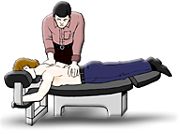
Chiropractic Superior to Exercise for Chronic Low-Back Pain

Flexion distraction is a commonly used form of chiropractic care. In a recent study, 235 patients received chiropractic care or participated in an exercise program, and were followed for one year via mailed questionnaires to assess levels of pain and dysfunction.

Subjects had a decrease in pain and disability after intervention, regardless of which group they were in.However, one year later, subjects who received chiropractic care had significantly lower pain scores than subjects who followed the exercise program.

Children’s Cough: How Effective are Medications?

Upper respiratory infectious are the most common condition in the world and for decades over the counter (OTC) medications have been produced and sold for the relief of the associated symptoms.  Because these medications are OTC the FDA has not exercised strict control although in 2007 the FDA did recommend that they not be used for children under six.  When we look at the evidence a consistent message emerges relative to the effectiveness of OTC medications for adult and children’s coughs.  That message is that they are not effective and could potentially cause harm.  There are, however, other more natural approaches that appear to be somewhat effective in relieving the associated symptoms of upper respiratory infections.

Wednesday, November 17, 2010

Natural Motion in an Unnatural Situation


In a recent ESPN survey reported on barefootrunner.com, more than 1 in 3 Americans said that they'd be willing to try running barefoot. This attitude is part of growing awareness that shoes simply aren't making our feet healthier, or our performance better. And a more recent study finds that many running shoes cause more joint strain than high heels. But let's face, we all need to wear shoes, at least sometimes!

ALINE is the only insole product that places the foot into a barefoot-like position inside of shoes. There is growing evidence that going barefoot is beneficial for long term foot health and correct biomechanics. Humans evolved to run and walk on natural surfaces for millions of years. In just the past few hundred years, though, we have been forced to walk on hard floors, concrete and asphalt…not to mention wedging our feet into ski boots, cycle shoes, and workboots. We pound for miles in running shoes. We wear rigid cleats for soccer and football. We wear hard shoes with spikes to hit a golf ball further. We strap on power-levers (also known as “skis”) and put our feet in plastic shells for winter fun. All of these are foot destroyers…if the foot is left to fend for its self under these stresses.

Proper foot function is critical to sports (and life) performance. If your foot cannot move as it evolved to move, you can’t perform up to your potential. The foot is your foundation, your connection to the ground. For years, the answer for foot performance was to cushion it with foam, effectively placing your foundation on a pillow. The other approach was to wear footwear too small and crush or tape the foot to stop excess motion. This mentality treats the foot like a mechanical device that can be locked down to stop motion. This crushing of the foot also locks the foot muscles and lower leg function, often causing pain and long term injuries. When immobilized by shoes or tape, the foot can’t adjust, balance, and align your body for maximum power transfer to the legs.

Luckily there is now a perfect middle ground between going barefoot and wearing unhealthy, performance-robbing, footwear: ALINE’s patented BFAST technology. ALINE’s BFAST design places the foot into a barefoot position inside your shoes; ALINEs raise the heel slightly to shift weight to your forefoot, as if you aren't wearing flat shoes. And, through its patented suspension zones, ALINE allows key bones in the foot to move properly…as they do when you walk barefoot. In other words, ALINE’s BFAST technology creates a natural interface within your footwear… regardless of sport or activity. This "Barefoot in Shoes™" position puts the foot in control of the footwear and the body. ALINEs enable the foot’s arches to naturally reshape, allowing the foot, ankle and knee to align themselves. A properly aligned foot and leg reduces injuries and improves your performance. That's why you owe it to yourself to find out what ALINE can do for you!

Thursday, November 11, 2010

Too Little Sleeping = Too Much Snacking

Here's an important reason to get the kids off to bed: Too little sleep can lead to a bad habit: overeating. According to a recent study published in the American Journal of Clinical Nutrition, reduced sleep time (less than six hours compared with more than eight) is associated with an increase in energy consumption - often in the form of snacks - without any increase in energy expenditure.

In other words, if kids sleep less, they tend to eat more, but don't expend energy during the extra time they're awake.

So, what could they possibly be doing that doesn't burn any energy? Perhaps they're studying for next week's exam or writing that long-overdue birthday card to grandma. But probably not. In fact, the chances are good that they're playing on the computer, watching television, texting their friends or pursuing some other sedentary activity, which is never a good thing, particularly when combined with additional caloric intake. That's a bad combination that could lead to chronic overeating and weight gain, not to mention fatigue, irritability, and reduced performance attributable to lack of sleep.

Talk to your doctor about the importance of adequate sleep and what you can do to ensure you and your family get the sleep they deserve every night.

Understand Your Fiber Facts

Dietary fiber, often referred to as "roughage," is the edible portion of

plant cell walls that is resistant to digestion, but is an extremely beneficial component of our diets. Fibers such as vegetables, fruits, nuts, and whole grains also have high amounts of vitamins and minerals necessary for healthy body function. And of course, a huge side benefit of eating foods rich in fiber is that they taste good!

Not only does fiber help ward off many diseases, but it's also been shown to aid in weight loss by reducing food intake at meals. This is because fiber-rich foods take longer to digest and thus result in an increased feeling of fullness and satiety. In addition, the more gradual absorption slows the entrance of sugar into the bloodstream, thereby preventing large blood glucose and insulin spikes that can lead to binge eating.

Plant foods contain both types of fiber in varying degrees, according to the plant's characteristics. Examples of foods rich in soluble fiber are fruits, vegetables, brown rice, barley, and nuts. Most of insoluble fibers come from the bran layers of cereal grains. Examples of foods rich in insoluble fiber are wheat bran and whole-grain breads and cereals. Remember, both are important for good health, so your diet should include a balance of foods rich in both types.

There is no recommended daily allowance (RDA) for fiber, but the American Dietetic Association recommends eating 20-35 grams of dietary fiber per day or 10-13 grams for every 1,000 calories in the diet. The average American significantly falls short of the recommended amount of fiber, consuming on average only 5-10 grams per day. Here are some easy ways to increase fiber intake:

Choose whole fruits and vegetables (with peels when possible) instead of juices.

Replace white flour with whole-wheat flour in all baked goods.

Select whole-grain bread, pasta and cereals in place of similar processed versions.

Choose brown rice over white rice.

Replace meat with alternate protein sources such as beans, lentils or other legumes.